Edge Computing and AI Convergence for Industrial IoT
Process and analyze data at the device edge to reduce latency and strengthen on-site autonomy.
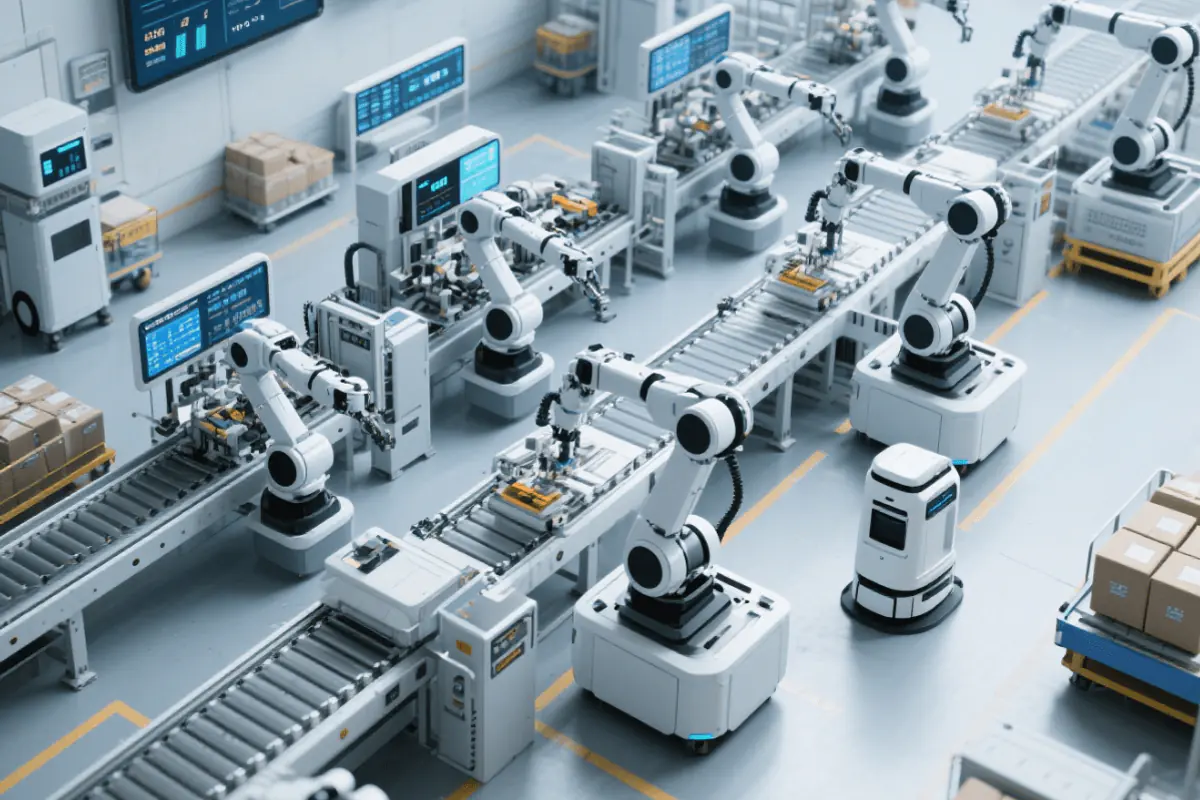
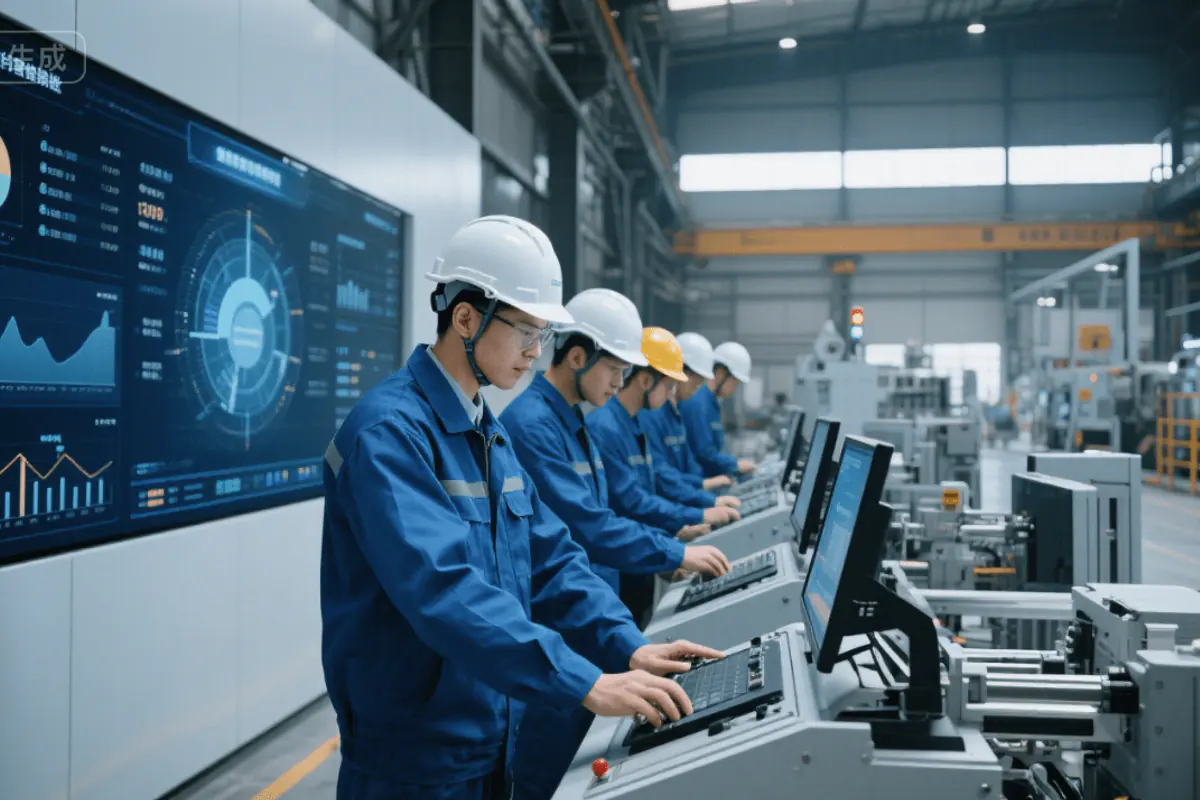
The convergence of edge computing and AI is becoming an important direction for industrial IoT. Edge AI processes data close to equipment, reducing latency and dependence on central networks and cloud resources.
Which workloads belong at the edge
Visual inspection, equipment-state detection, safety interlock assistance and on-site quality analysis often need fast, predictable response. Edge nodes can filter invalid data, extract features and execute explicit rules before sending structured outcomes and selected evidence to a central platform.
Low latency: reduce waiting and jitter caused by network round trips.
Bandwidth efficiency: upload events, features and only the raw data that must be retained.
On-site continuity: keep essential inference and local rules running during disconnection.
Production engineering goes beyond inference speed
Deployment must account for compute limits, model size, data quality, networking, temperature, power, version control and runtime monitoring. Updates need staged delivery, integrity checks and rollback, while operators need visibility into device health, inference time and result distributions.
Edge and cloud responsibilities complement one another. The edge handles real-time decisions and local continuity; the central platform supports cross-device analysis, training, version governance and operational review. Clear boundaries balance response speed, manageability and reliability.